
The Thrill of Risk and Reward
High-stakes casino gambling is often driven by the exhilarating thrill of taking risks. The unpredictability of games like poker, blackjack, or roulette creates a unique emotional high, drawing players into a world where every bet could lead to a substantial payoff. This psychological phenomenon is often linked to the adrenaline rush experienced during these high-pressure moments, where the stakes are high and the potential for loss or gain amplifies the excitement.
The emotional rollercoaster of casino gambling can lead to a phenomenon known as “loss chasing.” After experiencing a loss, players may feel compelled to continue gambling in hopes of recovering their losses, often leading to further financial distress. This creates a cycle that is hard to break, as emotions can overshadow rational decision-making during high-stakes play. casino online slots
The Role of Social Interaction
Another critical aspect of high-stakes gambling is the social environment of the casino. Gamblers often find themselves in a communal space, surrounded by other players and spectators, which can enhance the overall experience. The social interaction can play a crucial role in reinforcing gambling behavior, as individuals feed off each other’s excitement, creating a charged atmosphere that encourages further betting.
Moreover, the camaraderie experienced at the tables can provide a sense of belonging and community, which is appealing to many. This social aspect can play a significant role in the motivation to gamble, beyond the mere pursuit of monetary gain.
The Illusion of Control
Many gamblers harbor an illusion of control over the outcomes of their games, which fuels their continued participation in high-stakes gambling. This belief can manifest in various ways, such as the idea that skill can influence luck in games typically governed by chance. Understanding this psychological aspect reveals why players often return to the tables, believing they can harness some degree of influence over their fate.
This illusion can be dangerous, as it may lead to overconfidence and poor decision-making. The reality is that games of chance are inherently unpredictable, yet the belief in one’s ability to control outcomes can be a strong motivating factor for those engaged in high-stakes betting.
The Impact of Marketing and Environment
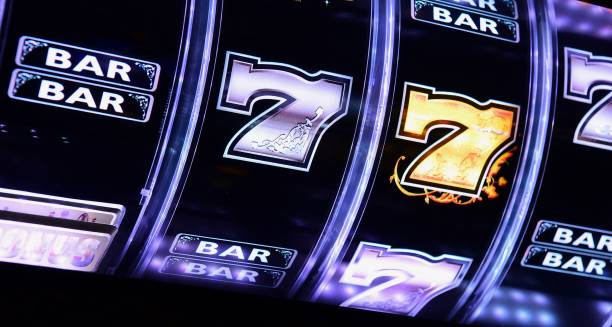
The design and marketing strategies employed by casinos also play a significant role in shaping the psychological landscape of high-stakes gambling. Casinos are meticulously crafted to maximize excitement and engagement, using vibrant colors, enticing sounds, and appealing layouts to stimulate the senses. Such an environment can heighten emotional responses and reinforce gambling behavior.
Furthermore, promotional offers, such as bonuses and rewards programs, can create a sense of urgency and exclusivity, encouraging players to engage in high-stakes gambling. These strategies exploit psychological triggers, making it more likely for players to continue betting in pursuit of the enticing rewards marketed to them.
Understanding the Psychology of Gamblers
For those interested in exploring the psychology behind gambling, understanding the complex motivations and emotions at play is crucial. Platforms that offer insights into gambling behavior can be invaluable for both players and professionals in the field. By examining psychological patterns, gamblers can gain a better understanding of their own motivations and make more informed decisions.
The availability of resources and information about gambling psychology can also help in recognizing harmful behaviors. Those who find themselves caught in the cycle of high-stakes gambling can benefit from services that provide guidance and support, ensuring they have the tools needed to navigate their experiences more safely.